


Books for children...and the adults who read to them.
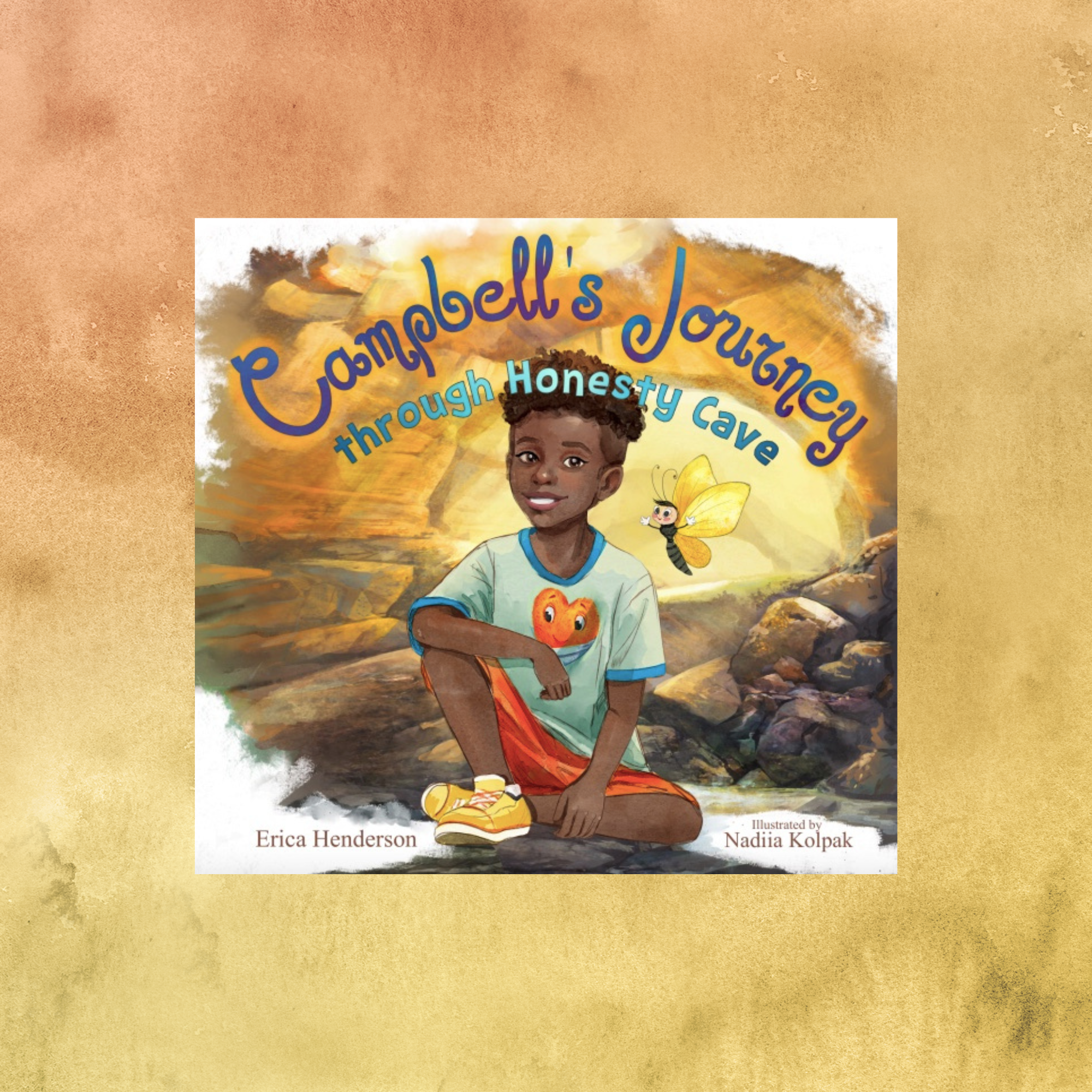
“The bravest person is the most honest person.” - Campbell, 10 years old
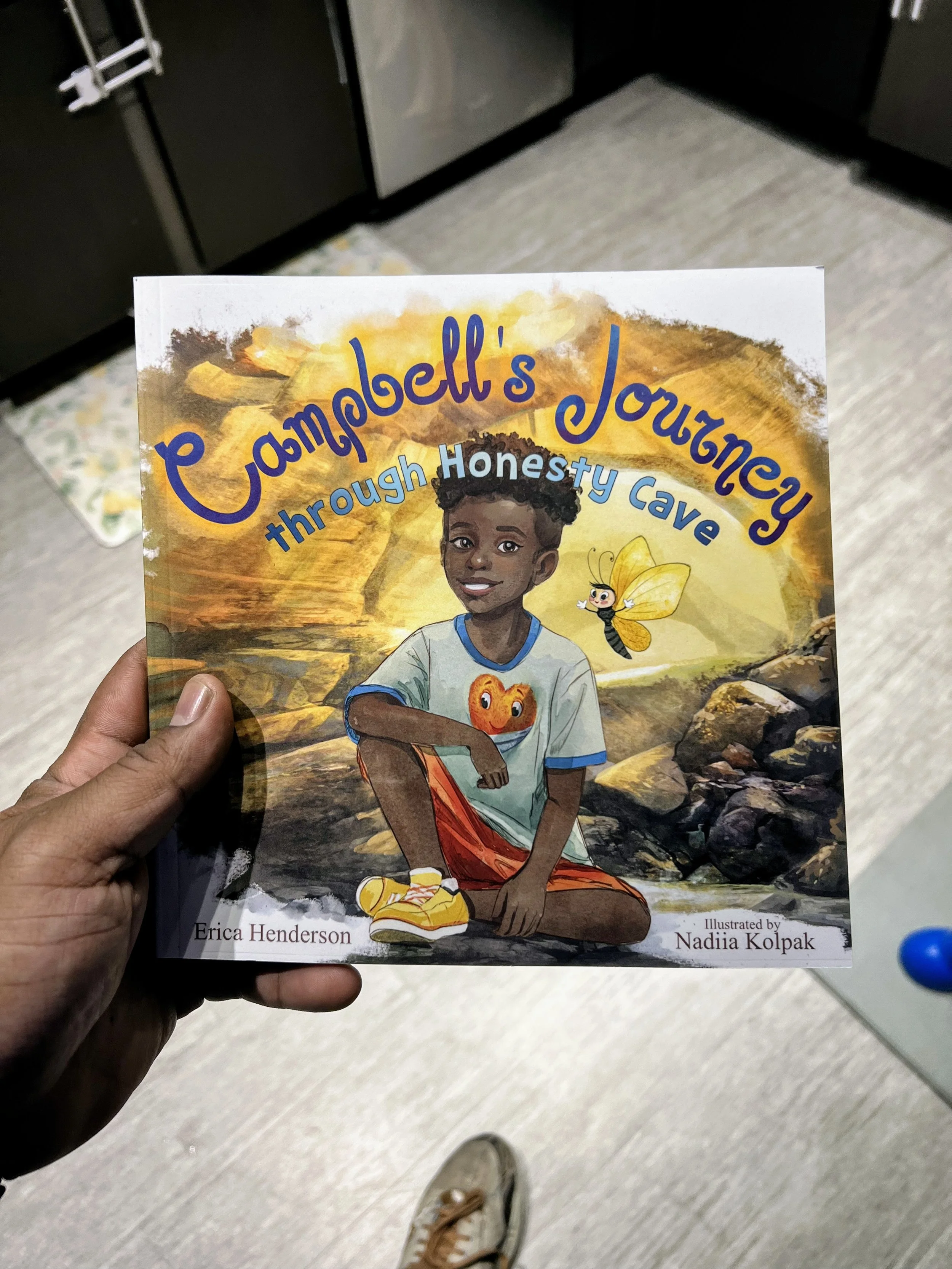
Campbell's Journey through Honesty Cave is a picture book for young children, ages 6-10 years old, that explores the importance of being a truth-teller.
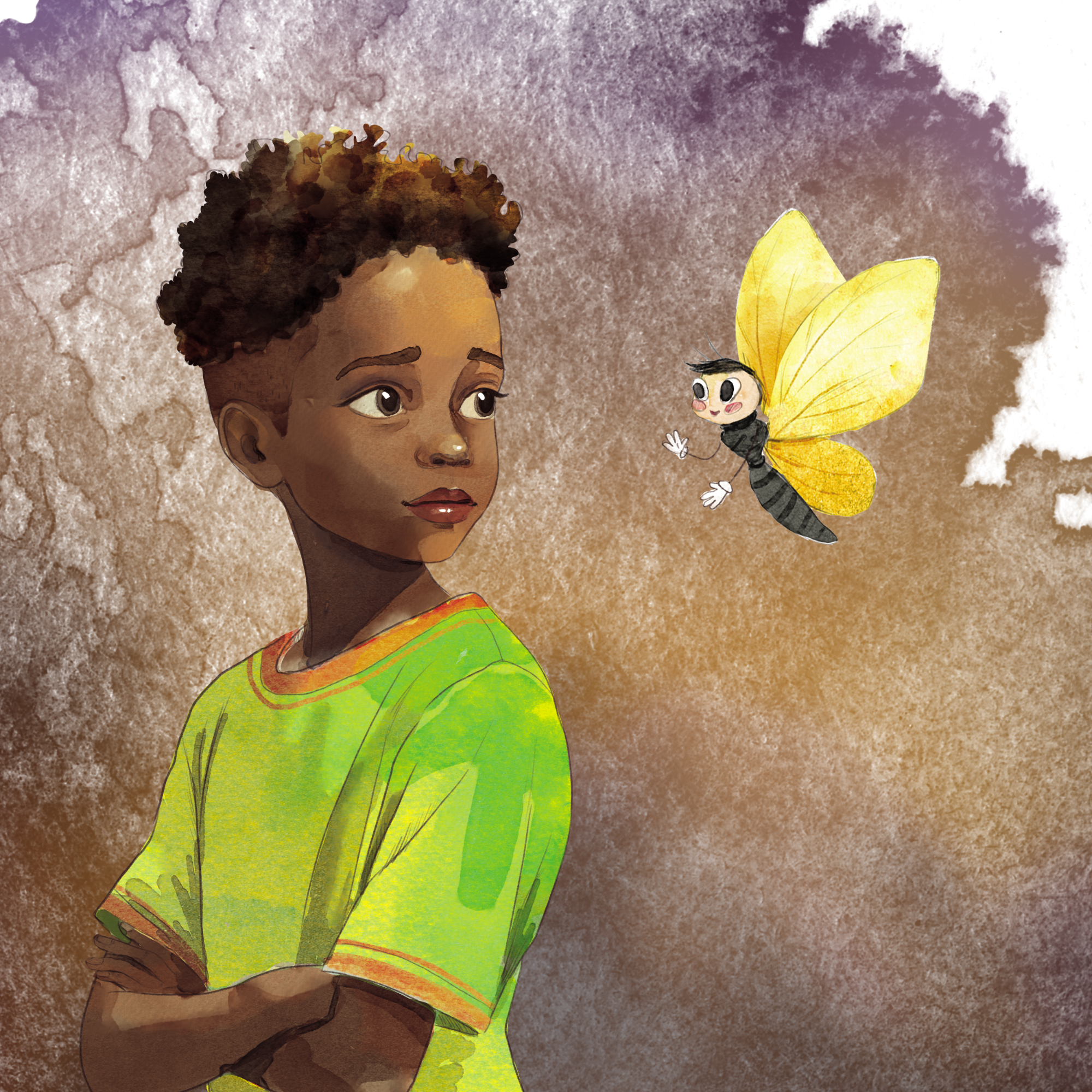
After an accident derails their playdate, strong-willed and empathetic Campbell must decide how to “fix” what has happened. In his dilemma, he is swept into the cave of Truth Rock, where his special butterfly friend, Omni, challenges him to face its deepest cracks and crevices. Each step below reveals what Campbell is truly made of, how lies really take shape, and what is needed to conquer everyday word wars and the threat of a crumbling good character.
But will Campbell take it all in to get back above ground and save the day?
Why is it important? Our growing boys deserve to express themselves freely and wisely. We must offer a safe space for them to discover and understand the power of their words and decisions. It is with us that they first learn to choose better paths through tough life situations. Before the world can exact consequences for their actions, we firmly, and with love, rear them to become the vocal, trusting, confident, and integral men of valor they were always meant to be.
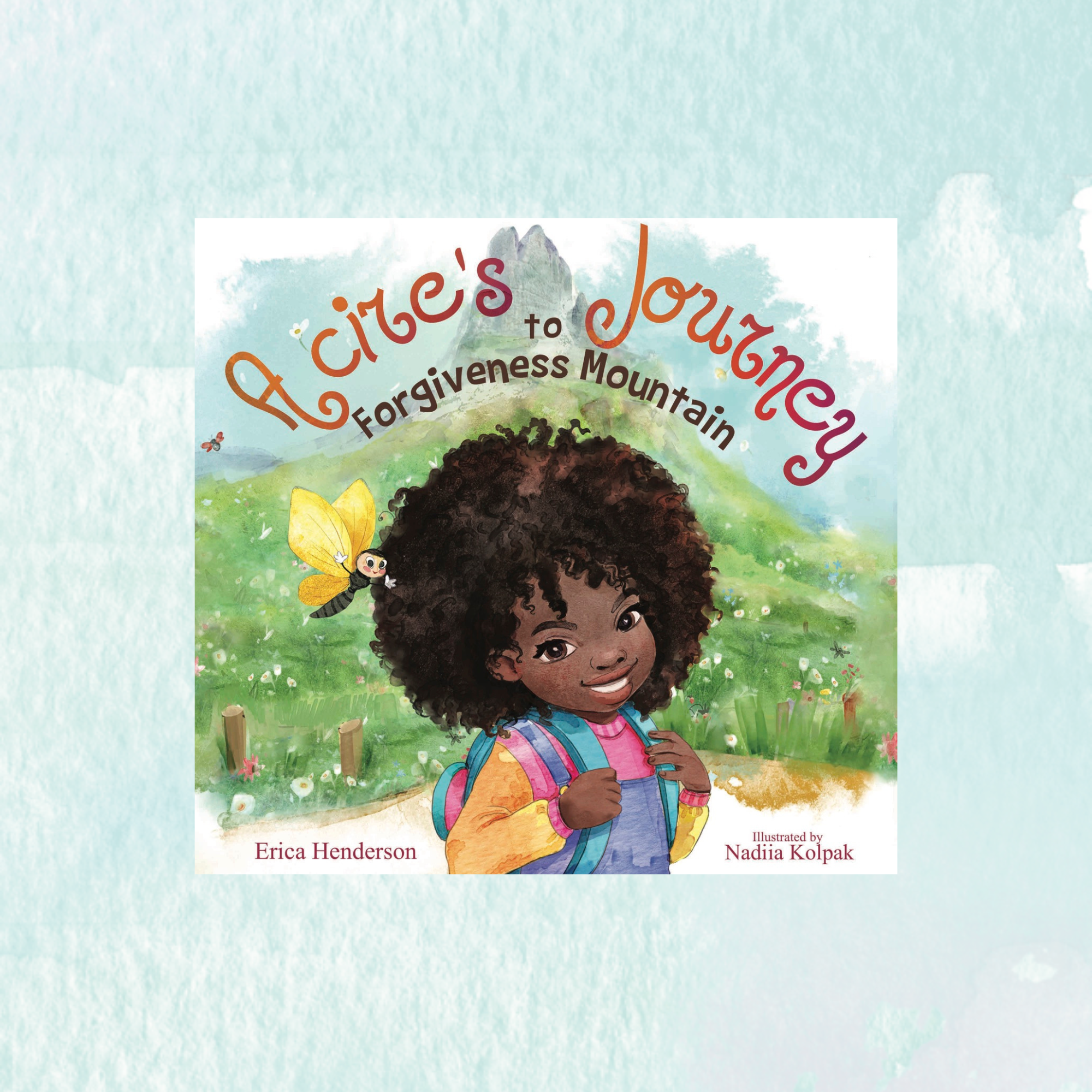
“…when something hurts me I should try to be forgiving so I can be free.” - Acire, 7 years old
Acire's Journey to Forgiveness Mountain is a book for young children, ages 4-9 years old, with an aim to bring emotions to light so they may be addressed rather than depressed.
After an upsetting day at school where she overhears hurtful words from a close friend, Acire rushes home, packs up her toys, and goes on a walk through her neighborhood. Led by her special butterfly friend, Omni, she arrives at a very unfamiliar mountain. It is huge, beautiful, & frustratingly tiring to climb with all she's packed. Omni gently guides her as she climbs, teaching invaluable lessons on emotions and how to rise above them towards healing.
But will Acire be able to release what she has packed to reach the mountain's top?
Why is it important? We know that being verbally hurt by another person, even a friend, is bound to happen. Therefore, we must gird our children with the armor to handle this reality. Before trauma, societal influence, and coping mechanisms teach them how to bandaid the wound, we will show them how to truly have the courage to forgive and heal from the pain.
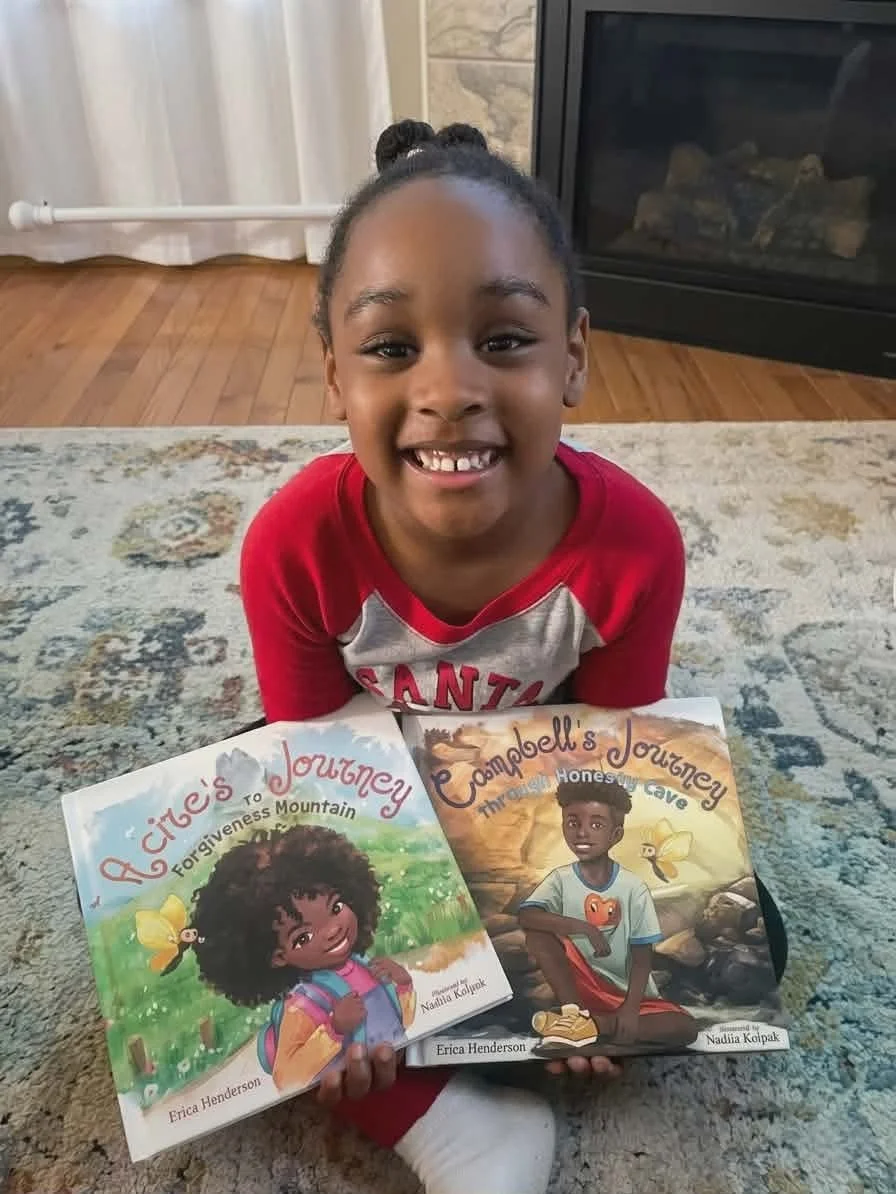


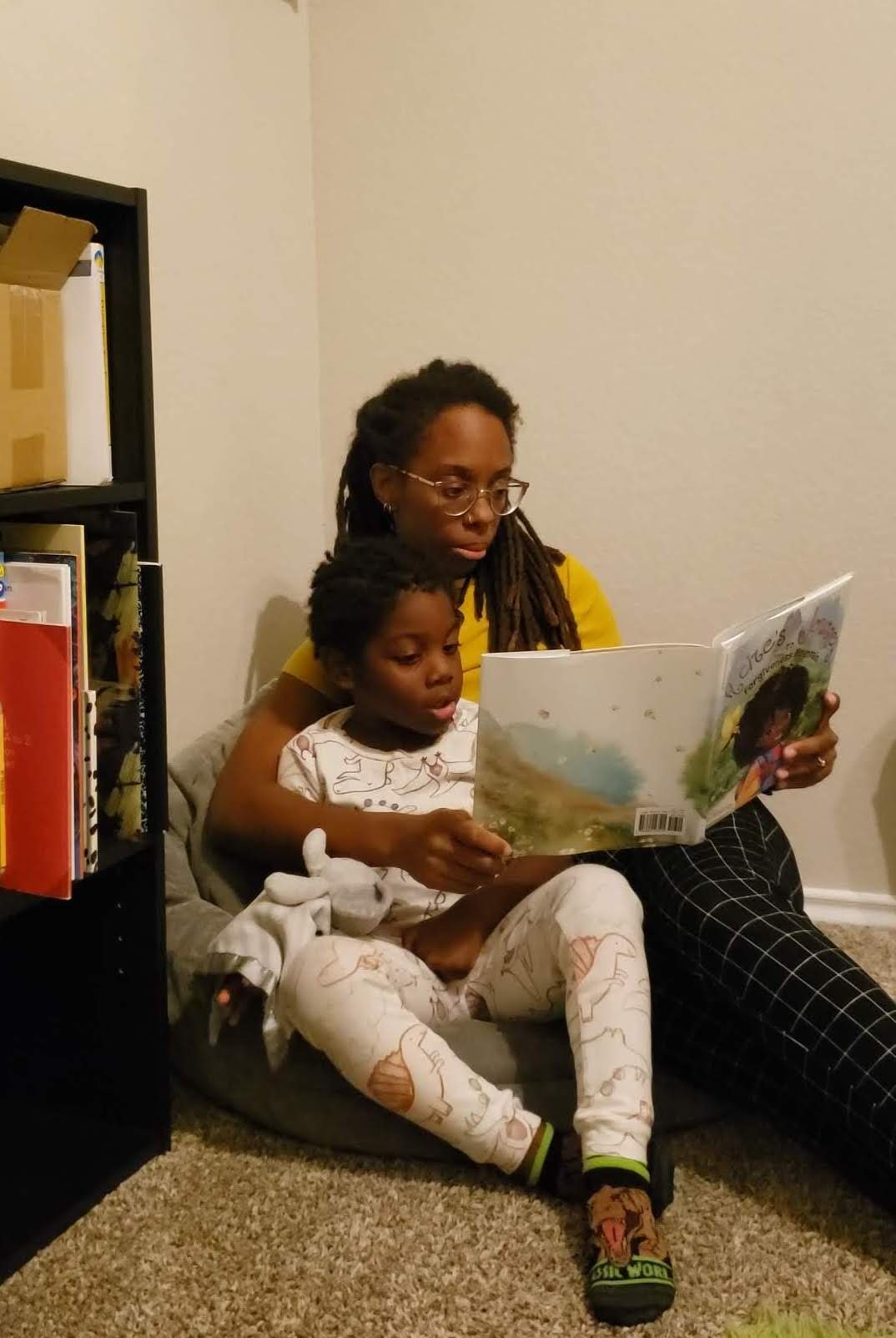


Why Emotional Autonomy Is Important
Sometimes words are hard to find and reclusion or tantrums are easier to perform. Feelings are really huge and exhausting. The inability to pinpoint or describe emotions, especially when upset, is an overwhelming experience for a child who is sad, angry, or at a loss for words. In these vulnerable times, they are still learning to navigate their hurt and joy - so we must be their compass. Little humans need an outlet, a deep understanding, and a safe place for curiosity of self to journey freely.
Emotional Autonomy is partnering comprehension with validity. Do they understand what they feel? Can they give reason to why they feel that way? Is their response in/out of line with what they feel (hitting when sad/yelling when happy)? Helping our children to grasp and regulate their feelings can steer them toward healthy and independent self-evaluation as they get older. This Emotional Autonomy is nurtured best when correction comes with respect (& patience).
Acire's Journey to Forgiveness Mountain seeks to fill in the gap where unexpected events are too tough to handle, and the feelings they bring are too foreign to name. We want to be an aid in your child’s emotional and mental independence.

How CDP Defines Forgiveness
FORGIVENESS is the multi-step act of letting go of the pain of our heavy emotions and being set free from the wrong things someone has done around, toward, or against us. Repeatedly calling to memory hurt so that we auto-program our behavior or response actually limits our ability to grow and go beyond situations. Forgiveness is discovery & acceptance of one’s emotions, it is unashamed self-examination, relational boundary setting, assessment of who/what has access to us going forward, and the final choice to try (love, friendship, trust, play, sharing, etc.) again.
For children, it may look like being able to verbally/non-verbally share the hurt felt from a situation, being allowed a period of time to be angry, sad, etc., asked what they would have liked to happen, considering what can be done now, and finally being challenged to make space for the hurt to heal (not hold a grudge) under an adult’s protective care (give love, check-in regularly, and set a healthy example).
We have the opportunity to teach children that if every time they are hurt they rise above the situation, then they have the ability to see how small their pain is compared to their joy - how beautiful the journey can be if they are allowed the time to unpack their emotions.
…because when we carry un-forgiveness, we are hurting ourselves the most. Un-forgiveness is backpacked hurt.

THANK YOU!!!
Acire’s Journey was brought to life through the contributions of our Kickstarter backers. Compass Dance Publishing would like to thank the following contributors:
Amy Suhumskie
Charity Carter
D. Eghomwanre
De Jionette Norton
Edison Arts Foundation
Erica Sanders
James McBrayer
Kimberly McBrayer
Latasha Peterson
Mason Butler IV
Momma Tina
Naana Danquah Jefferson
Rebecca Rivera
Rosonda VanHook
Welton VanHook
The Wheeler Family